
How High-Power Through-Hole LED Headlamps Improve Lighting Performance
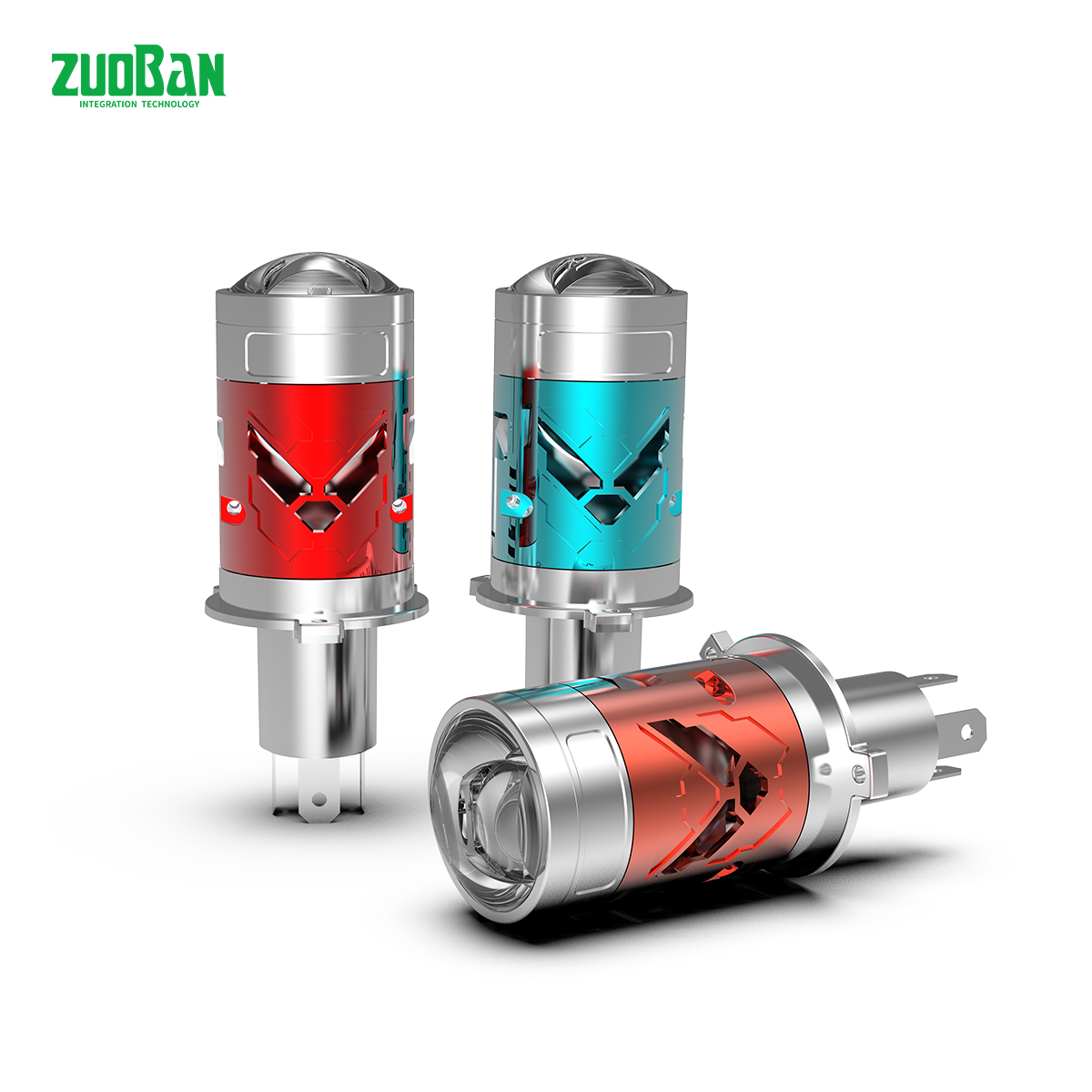
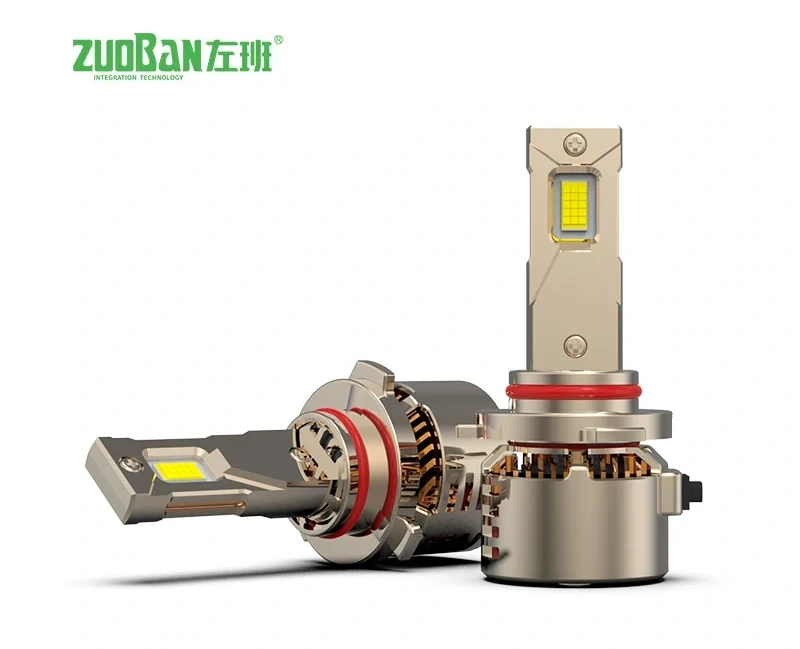
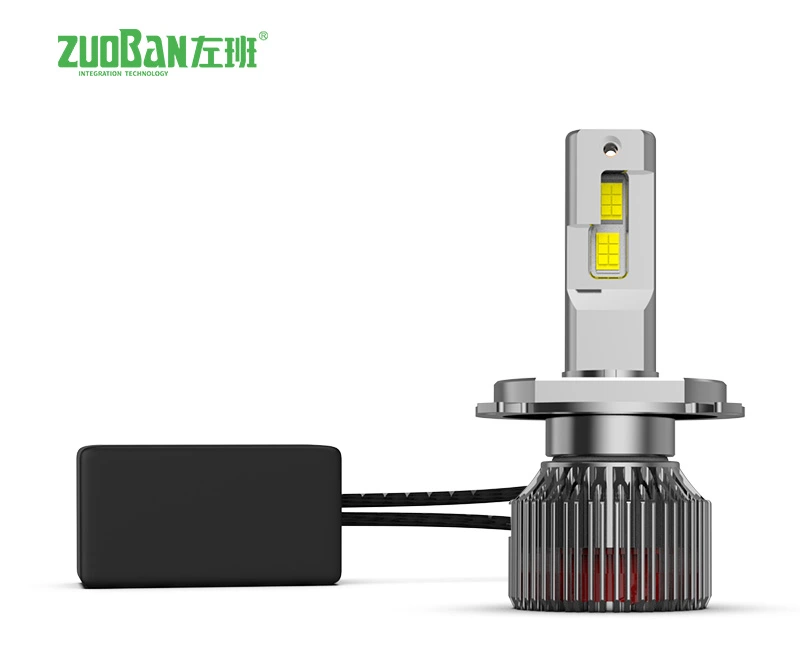
Automotive lighting technology continues to evolve as vehicle manufacturers and component suppliers focus on visibility, energy efficiency, and long-term reliability. Among the available lighting solutions, High-Power Through-Hole LED Headlamps represent an approach that combines high-output LED components with through-hole mounting structures. Their lighting performance depends on several interconnected factors, including electrical characteristics, optical configuration, thermal management, and installation quality.
Understanding Through-Hole LED Technology
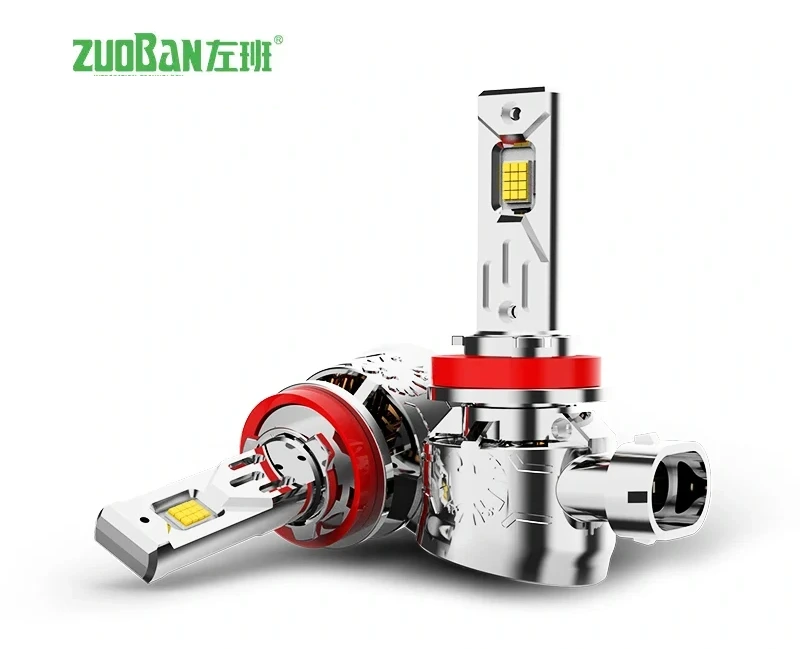
Through-hole LEDs are designed with metal leads that pass through holes in a printed circuit board before being soldered into position. This mounting structure provides mechanical support and establishes electrical connections between the LED components and the circuit. Compared with surface-mount devices, through-hole components have different packaging dimensions, installation requirements, and heat transfer characteristics.
In headlamp-related applications, high-power LED components must deliver consistent illumination under changing operating conditions. Their performance is influenced by forward current, operating voltage, luminous flux, beam distribution, and component temperature. Selecting suitable electrical parameters is therefore essential for maintaining stable light output.
How High-Power LEDs Improve Illumination
One important advantage of high-power LED technology is its ability to generate substantial luminous output from a relatively compact light source. This characteristic allows lighting designers to develop different optical configurations according to specific illumination requirements.
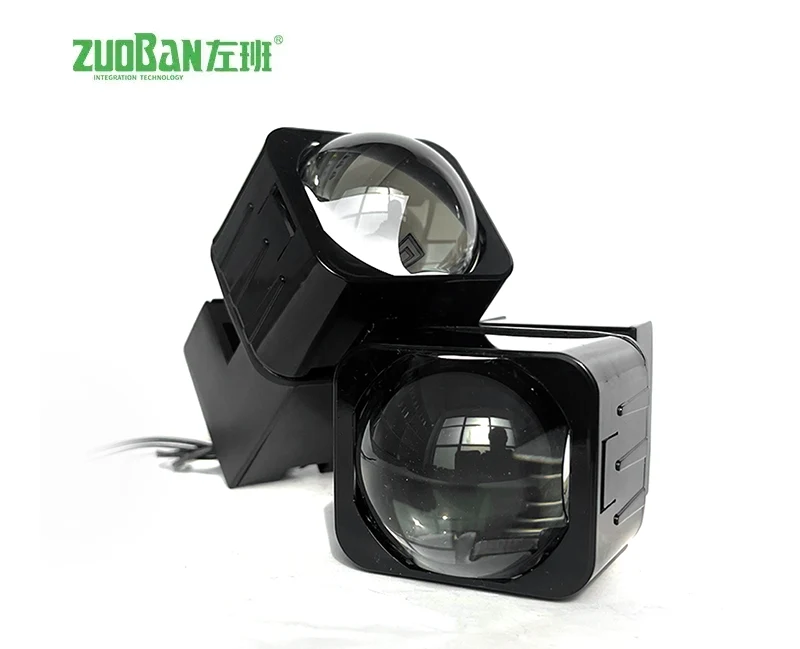
Reflectors, lenses, and optical positioning work together to direct emitted light toward the intended area. In automotive applications, the objective is not simply to increase brightness. Engineers must also consider beam uniformity, illumination distance, cutoff lines, and glare control. A properly designed optical system helps distribute light more effectively while reducing unnecessary light exposure for other road users.
Thermal Management and Operating Stability
Heat dissipation remains one of the most important considerations in high-power LED applications. Although LEDs convert electrical energy into light, a portion of the input energy is also released as heat. Excessive junction temperature can reduce luminous efficiency, accelerate material degradation, and affect the expected operating life of the component.
For High-Power Through-Hole LED Headlamps, thermal performance depends on the LED package, lead structure, circuit board material, solder connections, and surrounding cooling environment. Heat sinks and suitable thermal pathways can help transfer heat away from the LED junction. Engineers must also evaluate enclosure temperatures, airflow conditions, and continuous operating loads during product development.
Electrical Design and Mechanical Reliability
Stable electrical operation is another requirement for consistent headlamp performance. LED driving circuits should regulate current according to component specifications and protect against voltage fluctuations, excessive current, and abnormal operating conditions. Proper circuit design can reduce performance variations and help prevent premature component failure.
Mechanical installation also influences reliability. Through-hole leads provide physical anchoring, but solder joint quality, board thickness, component spacing, and vibration resistance still require careful evaluation. Automotive lighting assemblies are exposed to temperature changes, moisture, dust, and continuous vibration. These environmental factors should be considered when selecting materials and designing mounting structures.
Manufacturing and Quality Evaluation
Manufacturing consistency plays an important role in the final performance of LED headlamp assemblies. Production processes should control component placement, soldering quality, electrical continuity, and optical alignment. Inspection procedures may include luminous intensity measurements, current testing, thermal evaluation, and environmental reliability assessments.
For High-Power Through-Hole LED Headlamps, comprehensive testing helps identify potential differences between individual components and finished assemblies. Evaluating performance under both normal and demanding operating conditions provides useful information about product stability and application suitability.
Future Considerations for Automotive LED Lighting
Automotive lighting development is increasingly focused on compact structures, improved energy utilization, precise beam control, and intelligent lighting functions. Advances in LED packaging, optical materials, circuit design, and thermal engineering are creating additional possibilities for lighting system integration.
At the same time, different mounting technologies serve different engineering requirements. Through-hole components remain relevant in applications where their mechanical structure, component availability, and assembly characteristics are appropriate. Their suitability should be assessed according to the electrical, optical, thermal, and mechanical requirements of each specific lighting system.
Conclusion
Lighting performance is determined by more than the output of an individual LED. It requires coordination between light generation, optical distribution, heat dissipation, electrical control, and mechanical reliability. High-Power Through-Hole LED Headlamps illustrate how component packaging and system-level engineering work together to support consistent illumination. As automotive lighting technology advances, comprehensive design evaluation and reliable manufacturing processes will remain essential to achieving practical, efficient, and dependable lighting solutions.
Related News
- Plug & Play Bi-xenon Projector H4 LED Headlight
- 【New Arrival】90W Triple Lens Front Grille Light
- 60W High-brightness Mini LED Headlamps for Automobiles Boost Night Safety
- Why LED Projector Headlights Are Overtaking Halogen: 1770 Lumens Low Beam vs. 719 Lumens in Gen-Two LED
- ZUOBAN S18 LED Headlights Enable repair shops to make higher profits
- What Makes a Fog Lamp Essential for Modern Vehicles?
Leave me a message
New Products

News Recommendations