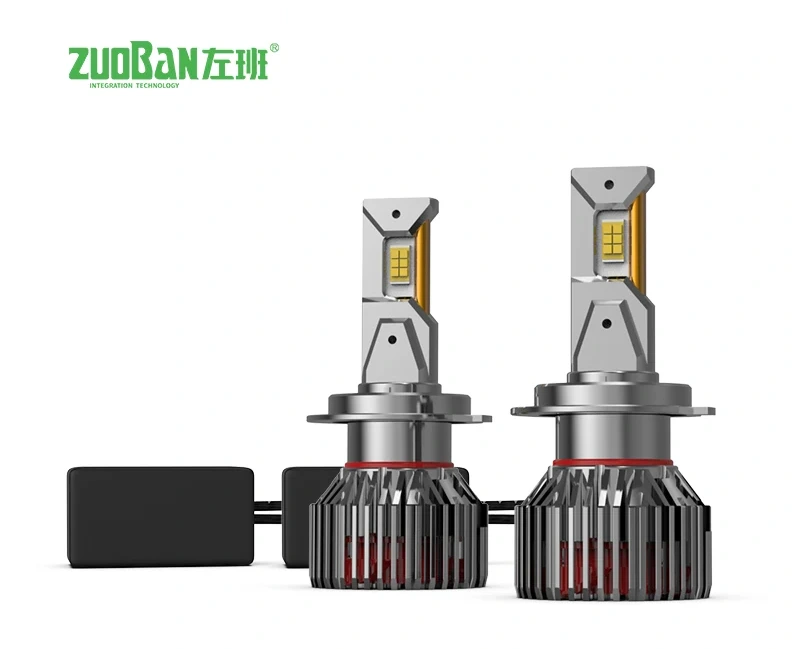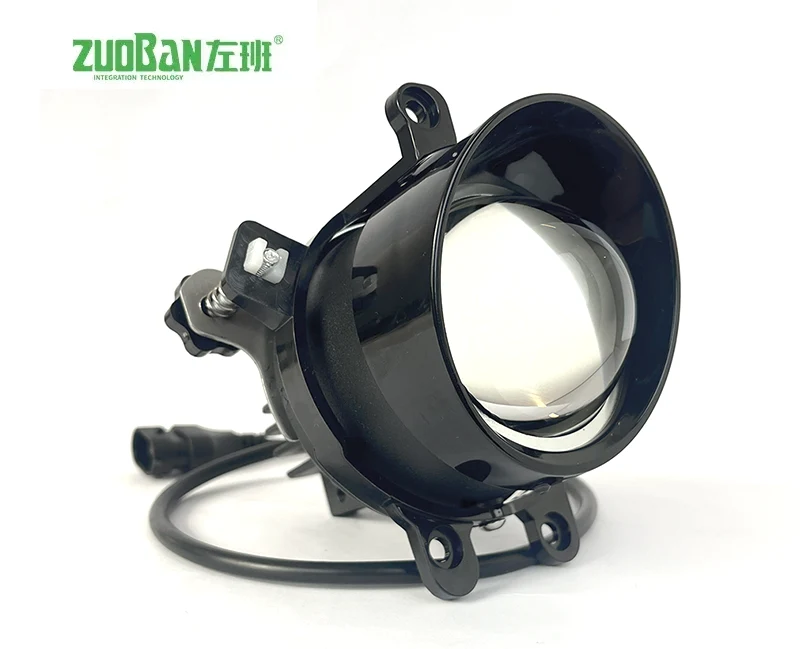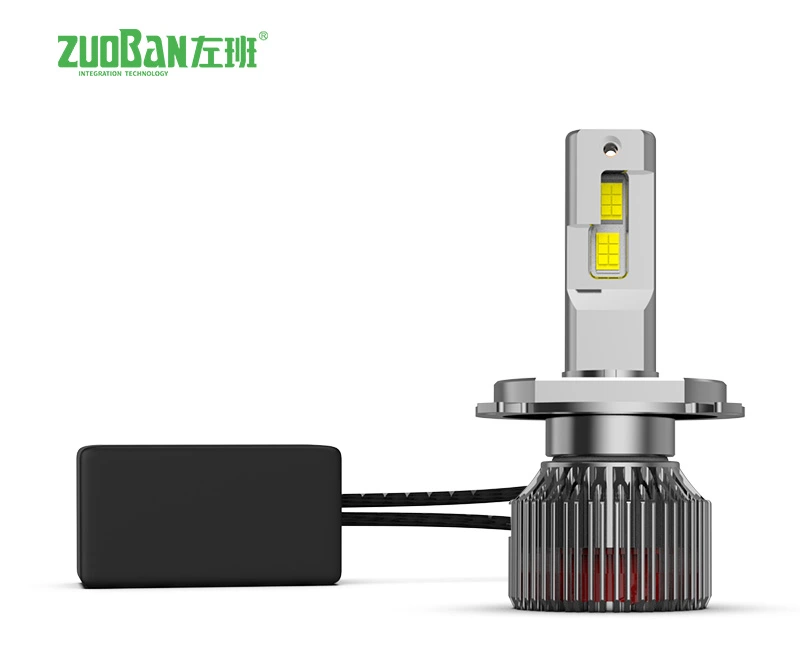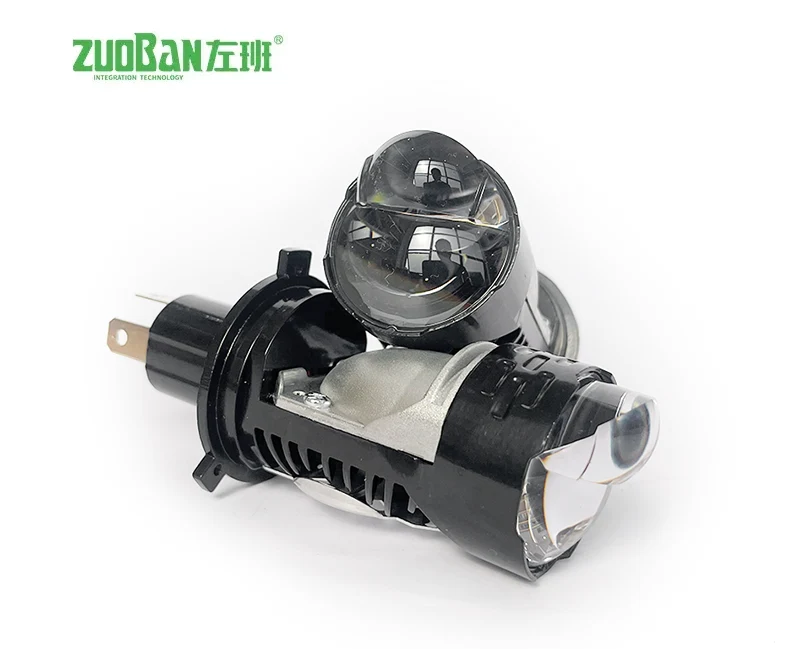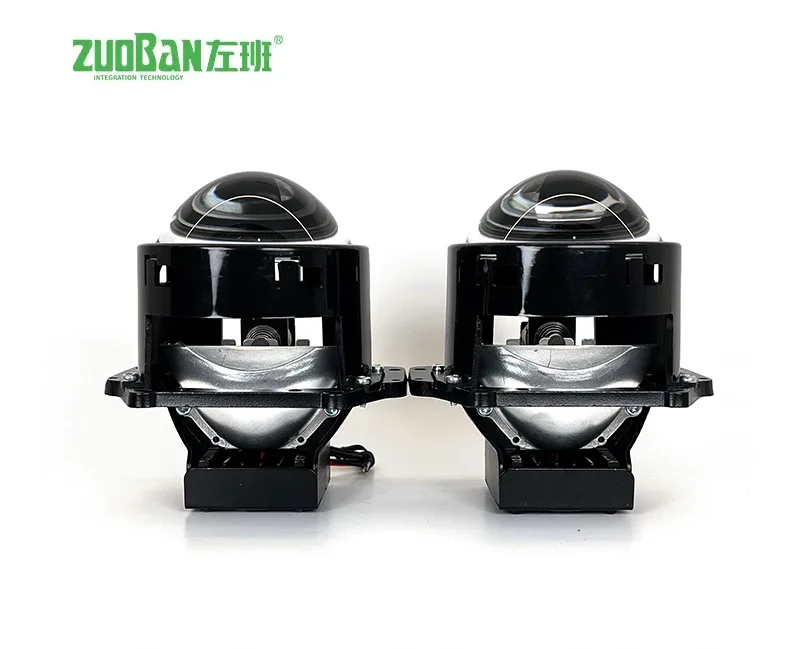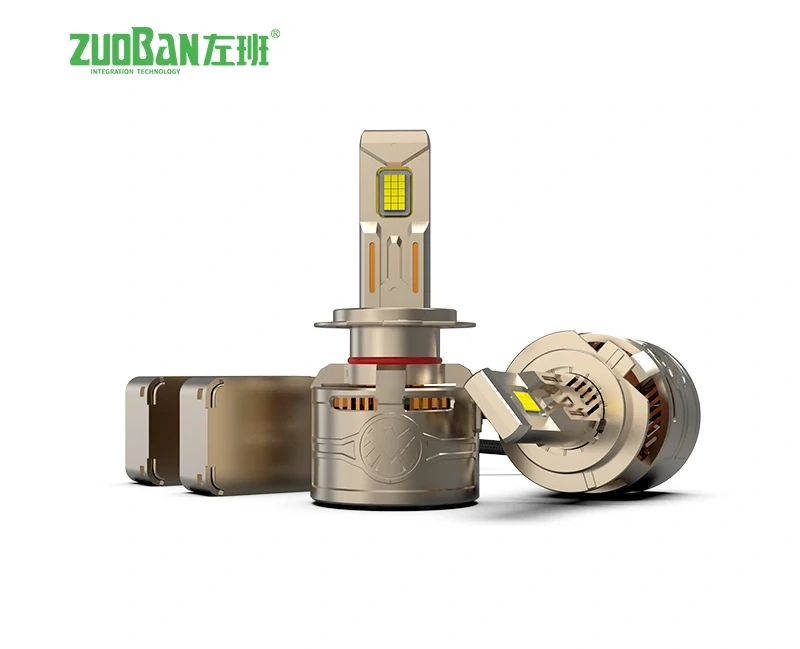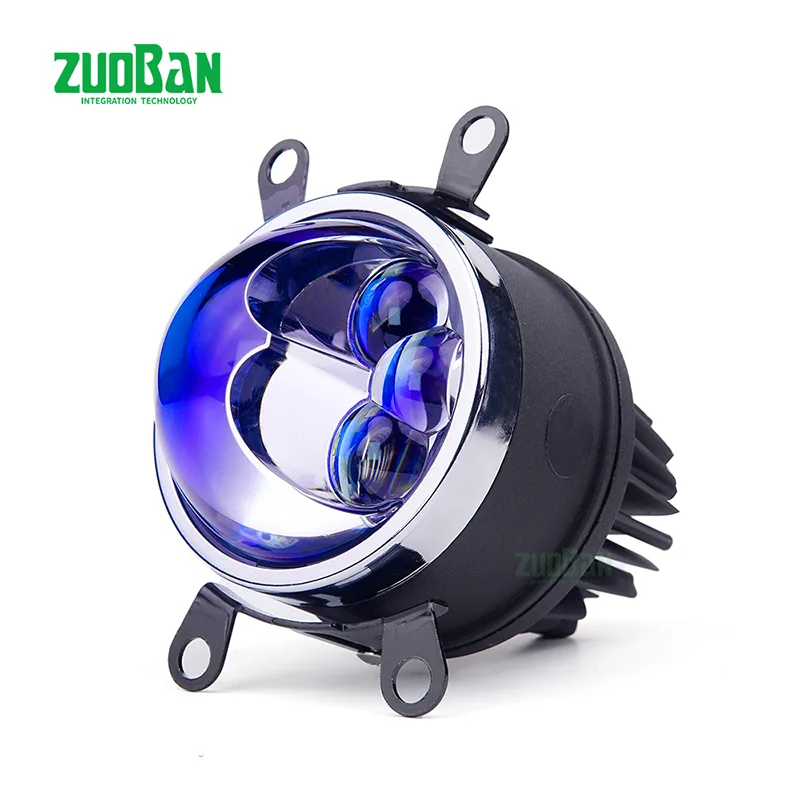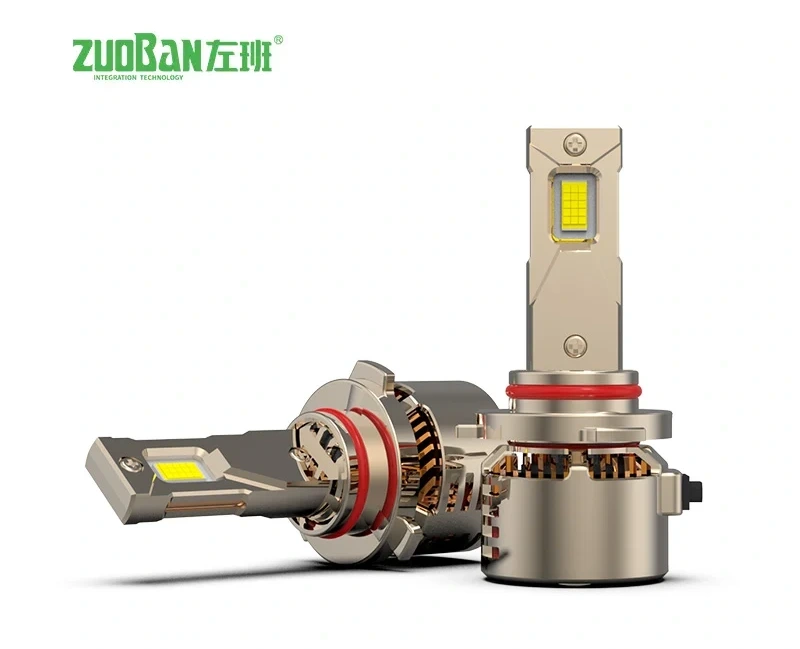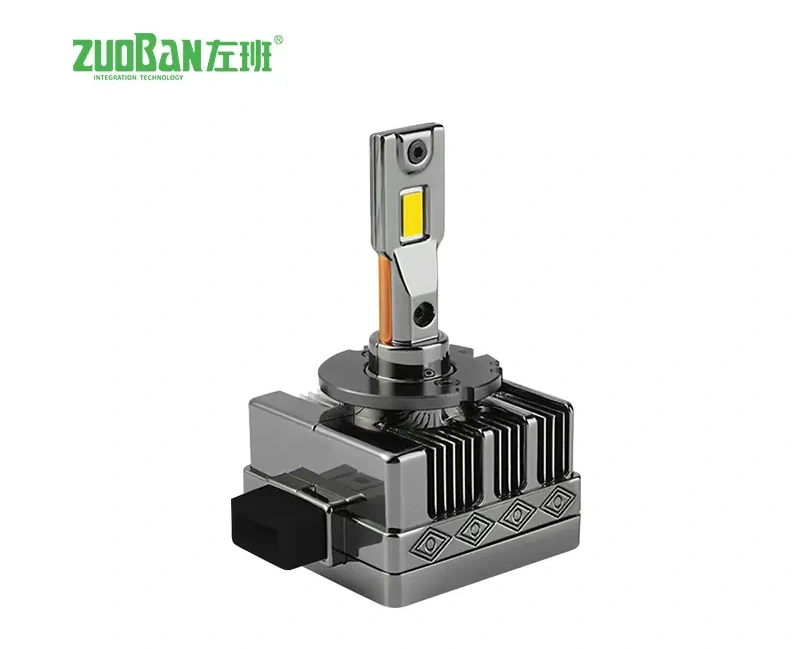

60W High-brightness Mini LED Headlamps for Automobiles Boost Night Safety
Automotive lighting is entering a period of renewed technical and regulatory attention as vehicle manufacturers and lighting engineers look beyond simple increases in brightness. 60W High-brightness Mini LED Headlamps for Automobiles reflect this broader shift toward compact light sources, controlled beam distribution and improved nighttime visibility. The discussion is increasingly focused not only on how much light a headlamp produces, but also on where that light is directed, how consistently it illuminates the road and whether it creates excessive glare for other road users.
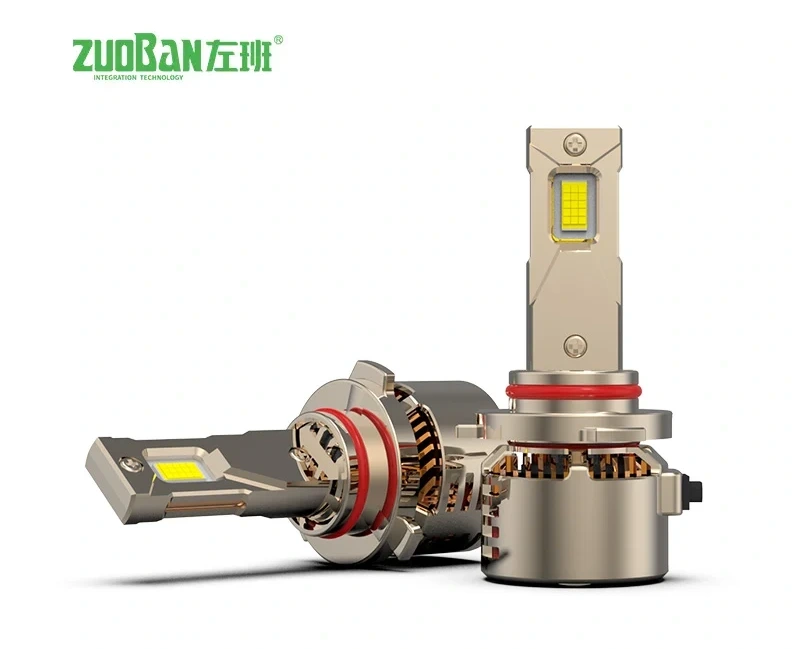
Automotive Lighting Moves Beyond Brightness
For many years, headlamp development was closely associated with increasing illumination performance. The transition from halogen and HID systems to LED technology changed that approach by allowing greater flexibility in optical packaging, light-source arrangement and electronic control.
However, higher output alone does not automatically translate into better road safety. A headlamp must create a useful pattern across the driver's field of view while maintaining appropriate intensity in areas where excessive light could affect approaching vehicles. This has made beam distribution, optical precision and aiming increasingly important engineering considerations.
The issue has gained renewed attention in the United States. On October 6, 2026, the National Highway Traffic Safety Administration announced that it would modernize Federal Motor Vehicle Safety Standard No. 108, including an examination of headlight glare, LED technology, automatic high beams, headlamp height and aiming. The agency said the update is intended to address changes in lighting technology and improve roadway safety.
This regulatory development reflects a wider industry trend: automotive lighting is being evaluated as a complete optical system rather than simply as a high-output light source.
Miniaturization Creates New Optical Possibilities
The reduction in LED package size has provided designers with greater freedom when developing compact headlamp assemblies. Smaller light sources can be arranged within tighter optical spaces, creating opportunities for more flexible reflector, projector and lens configurations.
For compact vehicles and space-constrained front-end designs, this can be particularly relevant. Smaller lighting modules can help engineers consider packaging requirements alongside illumination performance instead of treating the two as separate priorities.
A compact LED arrangement also allows optical components to be designed around specific beam requirements. Rather than distributing light broadly and relying primarily on raw output, the system can be engineered to direct illumination toward useful road areas.
This distinction is important when discussing high-brightness lighting. Brightness should be considered together with beam shape, cutoff characteristics, mounting position, aiming accuracy and road geometry. A powerful light source with poor distribution may produce unwanted glare, while a carefully controlled beam can provide useful visibility without simply increasing illumination everywhere.
Glare Control Becomes a Central Safety Issue
Headlight glare has become one of the most discussed subjects in modern automotive lighting. The problem is especially noticeable when vehicles approach one another at night, when differences in vehicle height, lamp mounting position and beam aiming can significantly influence the amount of light reaching another driver's eyes.
NHTSA research has previously examined potential approaches to reducing nighttime glare, including headlamp aiming, mounting height, beam distribution and advanced adaptive lighting systems. The agency has also identified the possibility of using adaptive forward-lighting technologies to reduce illumination toward occupied areas while maintaining visibility elsewhere.
The technical challenge is therefore a balance between two objectives: providing enough forward illumination for the vehicle being driven while limiting unnecessary light directed toward other road users.
This balance has also appeared in recent SAE research. A technical paper presented at the 2026 SAE World Congress examined upward-directed headlamp lighting and the relationship between forward illumination and glare prevention. The study specifically considered how LED headlamp technology affects light distribution and how future lighting strategies can balance visibility with the experience of other road users.
Adaptive Driving Beam Changes the Role of Headlamps
Another major development is Adaptive Driving Beam, or ADB. Unlike conventional high-beam systems that primarily switch between predefined beam states, ADB technology can adjust the illuminated area according to surrounding traffic conditions.
The principle is straightforward: maintain greater long-distance visibility where the road is clear while reducing illumination directed toward other vehicles. NHTSA's research describes ADB as a forward visibility system that adapts the beam pattern around preceding and oncoming vehicles to limit glare.
The United States already amended FMVSS No. 108 in 2022 to enable ADB headlighting systems under defined performance requirements. NHTSA explained that the technology is intended to provide more illumination in unoccupied areas of the road while reducing light directed toward other vehicles.
This development illustrates why modern headlamp discussions increasingly involve software, sensors, optics and control strategies in addition to the LED light source itself.
For compact LED modules, this trend creates an important design question: how can a small optical assembly deliver sufficient road illumination while remaining compatible with increasingly precise beam-control strategies?
Light Distribution Matters as Much as Electrical Output
A 60W rating describes electrical power consumption, but it does not by itself describe the quality or safety of a headlamp's optical performance. Automotive lighting evaluation involves factors such as luminous intensity, beam pattern, cutoff, color, aiming and the complete optical configuration.
This distinction is particularly important as high-brightness LED systems become more common. The same nominal electrical power can produce different practical lighting results depending on LED efficiency, optical losses, reflector geometry, lens design and thermal management.
NHTSA has also clarified that regulatory evaluation focuses on the performance of the complete headlamp rather than treating the LED light source in isolation. For integral-beam headlamps, relevant requirements include photometric performance, color and other characteristics of the finished lighting system.
Consequently, the industry's definition of a better headlamp is becoming more sophisticated. Efficiency, compactness and output remain relevant, but they need to be considered together with optical control and compliance with applicable vehicle-lighting requirements.
Nighttime Safety Extends Beyond Driver Visibility
Headlamps influence more than the driver's ability to see the road. Their beam pattern can affect pedestrians, cyclists, motorcycles and drivers traveling in the opposite direction.
Long-range visibility is particularly important on roads without continuous street lighting. Objects, animals and vulnerable road users can appear suddenly within the driver's forward field of view. A well-controlled beam can help illuminate relevant areas without unnecessarily increasing light intensity across the entire scene.
ADB technology was partly developed around this principle. NHTSA has noted that adaptive beam systems can improve visibility of pedestrians, bicyclists, animals and objects while reducing illumination toward other vehicles.
This broader perspective is changing how automotive lighting engineers approach nighttime visibility. Instead of asking whether a headlamp is simply bright enough, development increasingly considers whether the available light is being used in the right location and at the right time.
Compact LED Systems Fit the Next Stage of Vehicle Design
Vehicle front-end packaging is also becoming more demanding. Aerodynamic requirements, sensor integration, grille design, cameras and driver-assistance hardware compete for limited space around the front of modern vehicles.
Mini LED headlamp configurations can offer greater flexibility within these constrained layouts. Compact optical modules can potentially be integrated into smaller spaces while leaving room for other vehicle systems.
At the same time, compactness cannot replace optical engineering. Smaller dimensions make precise alignment, thermal control, optical efficiency and beam consistency increasingly important. These factors become particularly significant when lighting assemblies are expected to maintain stable performance across different operating conditions.
The direction of the market therefore points toward a combination of compact hardware and increasingly sophisticated control. High-brightness LEDs provide the light source, optical systems shape that output, and electronic controls can determine how the available illumination responds to the driving environment.
What the 2026 Lighting Trend Means for Future Headlamps
The current direction of automotive lighting suggests that the next stage will not be defined by maximum brightness alone. Instead, development is moving toward measurable visibility, controlled glare, compact packaging and adaptive operation.
Regulatory activity is reinforcing this shift. NHTSA's 2026 initiative specifically identifies LED technology, automatic high beams, glare, aiming and international alignment as areas requiring further examination. The agency is also seeking input from vehicle lighting organizations, safety groups, research institutions and engineering associations during the rulemaking process.
At the engineering level, the same trend can be seen in research into beam distribution and glare. Modern lighting systems are being evaluated according to how effectively they distribute available light across the driving environment rather than simply how much light they generate.
For 60W High-brightness Mini LED Headlamps for Automobiles, this trend places the technology within a broader movement toward compact, high-output and optically controlled vehicle lighting. As automotive standards and lighting technologies continue to evolve, the focus is likely to remain on achieving a practical balance between nighttime visibility, beam precision, glare management and integration within increasingly complex vehicle designs.
Related News
- Why LED Projector Headlights Are Overtaking Halogen: 1770 Lumens Low Beam vs. 719 Lumens in Gen-Two LED
- ZUOBAN S18 LED Headlights Enable repair shops to make higher profits
- What Makes a Fog Lamp Essential for Modern Vehicles?
- Why Are Car LED Headlights the Future of Automotive Lighting?
- How Does the External Driver Series LED Headlight Redefine Automotive Lighting Performance?
- Why Should You Choose LED Headlight For Upgrading HID Xenon Bulbs?
Leave me a message